
Welp... You've found a missing page.
Need help finding something? Search below to to find what you’re looking for, or browse some bangers from the Obsidian Archive
Obsidian Archive
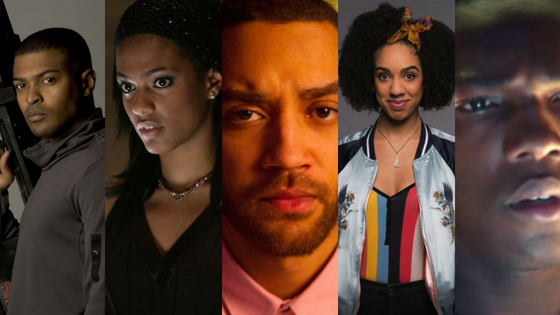
Doctor Who’s Narratives on Race Have Improved — But Have a Long Way to Go
Doctor Who has increased both its racial representation and conversations on racism in recent years, but the show still has a lot of work to do when addressing in-universe racism.
Three Fears About Public Spaces I Had as a Black Nerd
As a black female nerd, have you ever been afraid of entering a new space? Renée shares some of her past fears and how she overcame them in our first Constant Companion essay.
The Struggle of Being an Ethiopian Preacher’s Kid
Being the oldest daughter of an Ethiopian preacher isn’t easy when you become a fan of comic books and fantasy. Mahlet shares her story.

TV Needs More Complex Relationships Like “Jane The Virgin”
Kay-B writes about Jane and Rafael’s relationship in Jane the Virgin, and why it is one of the best depictions on television.
Introducing: Black Girls Nerd Out’s The Critical Companion
The Critical Companion series will feature bi-monthly blog posts written by Black writers. We hope those writers are some of you!
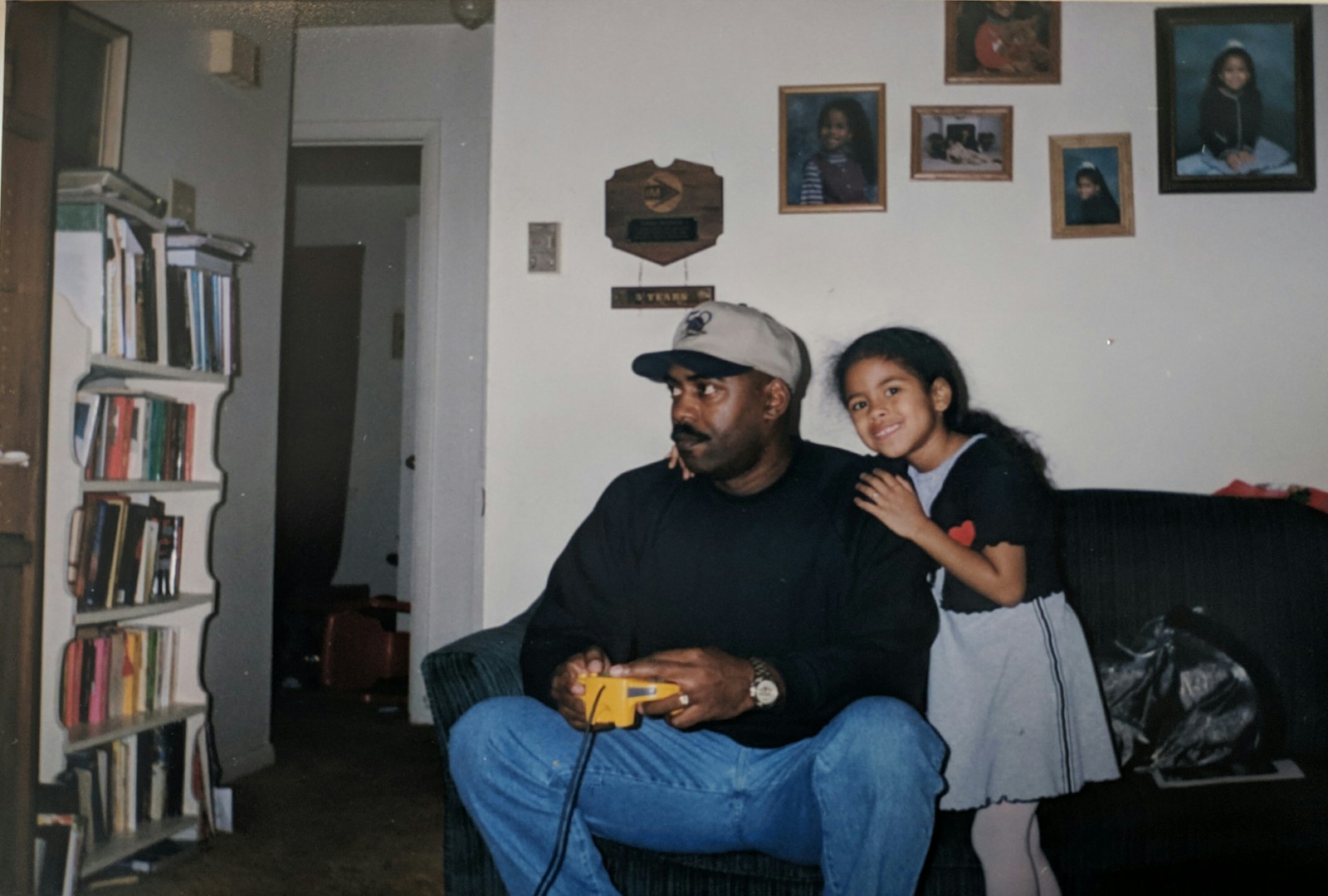
Beyond the Kokiri Forest: A Father and Daughter’s Zelda Adventure
Delia talks about her father and The Legend of Zelda: Ocarina of Time, the origins of her nerdiness.
My Minister Been Black: An Analysis of Hermione Granger
Kai examines how Hermione’s Blackness puts the onus on her as a Black woman to save the Wizarding World.

Worldbuilding and the Marvel Cinematic Universe
Bayana explores how Marvel built a world for the screen in a way that encompasses so many movies and television shows.

Nerd Love in the Time of Social Distancing
How can nerds date during a global pandemic? K. Alexandra offers some tips from her own experiences.
What ‘Harry Potter’ Doesn’t Teach Us About Allyship & Activism
How does Harry Potter’s Order of the Phoenix show the failures of the series to show a truly progressive and anti-supremacist narrative? What can we learn from these inadequacies of the story to be better allies in the real world?