
Welp... You've found a missing page.
Need help finding something? Search below to to find what you’re looking for, or browse some bangers from the Obsidian Archive
Obsidian Archive

Magic or No, All Schools Have Limited Range
Patriarchal systems in magical schools (and in the real world) tend to cause problems. Porshèa explores the way these systems manifest in different fictional schools and discusses what should be done to change it.

Three Fears About Public Spaces I Had as a Black Nerd
As a black female nerd, have you ever been afraid of entering a new space? Renée shares some of her past fears and how she overcame them in our first Constant Companion essay.
The Importance of Creating Worlds for Young Black Readers
Abisola writes about Children of Blood and Bone and Daughters of Nri, and how they are important for young Black readers.

How Fantasy Became a Bridge Between Sisters
Syntrell writes about how fantasy books gave her a way to connect with her sister.

Niobe and the Power of Life and Death
Latonya finds Stranger Comics’ Niobe Ayutami to be an inspiration in the way she embodies life and death.

Revisiting Harry Potter’s Final Battle: Where Did All the Kreatures Go?
Talia looks back at the final battle of Harry Potter and the Deathly Hallows Part 2, and searches for the magical creatures and the important role they should have played.

Slavery in Thedas: How BioWare Could Bring Nuance to Dragon Age
Crystal talks about her love of Dragon Age, and what it’s writers can do to improve it.

Avatar: The Last Airbender Ships are Meant to Be Fun, Not Destructive
Whether you ship canon ships or non-canon ships, it should be a subculture of like fans, not a battlefield of in-fighting. Critical Companion Ebony explores.
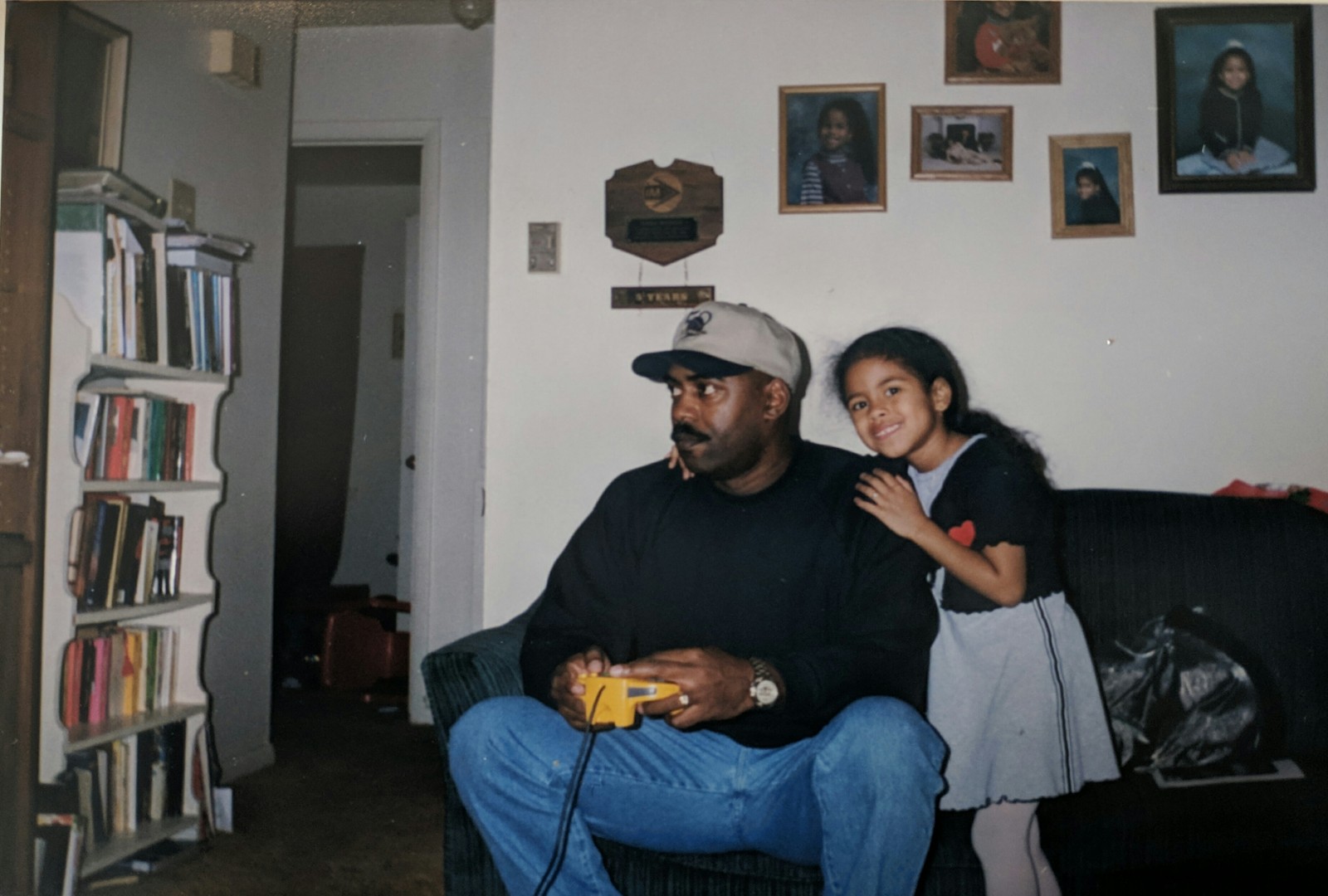
Beyond the Kokiri Forest: A Father and Daughter’s Zelda Adventure
Delia talks about her father and The Legend of Zelda: Ocarina of Time, the origins of her nerdiness.

What ‘Harry Potter’ Doesn’t Teach Us About Allyship & Activism
How does Harry Potter’s Order of the Phoenix show the failures of the series to show a truly progressive and anti-supremacist narrative? What can we learn from these inadequacies of the story to be better allies in the real world?