
Welp... You've found a missing page.
Need help finding something? Search below to to find what you’re looking for, or browse some bangers from the Obsidian Archive
Obsidian Archive
Introducing: Black Girls Nerd Out’s The Critical Companion
The Critical Companion series will feature bi-monthly blog posts written by Black writers. We hope those writers are some of you!
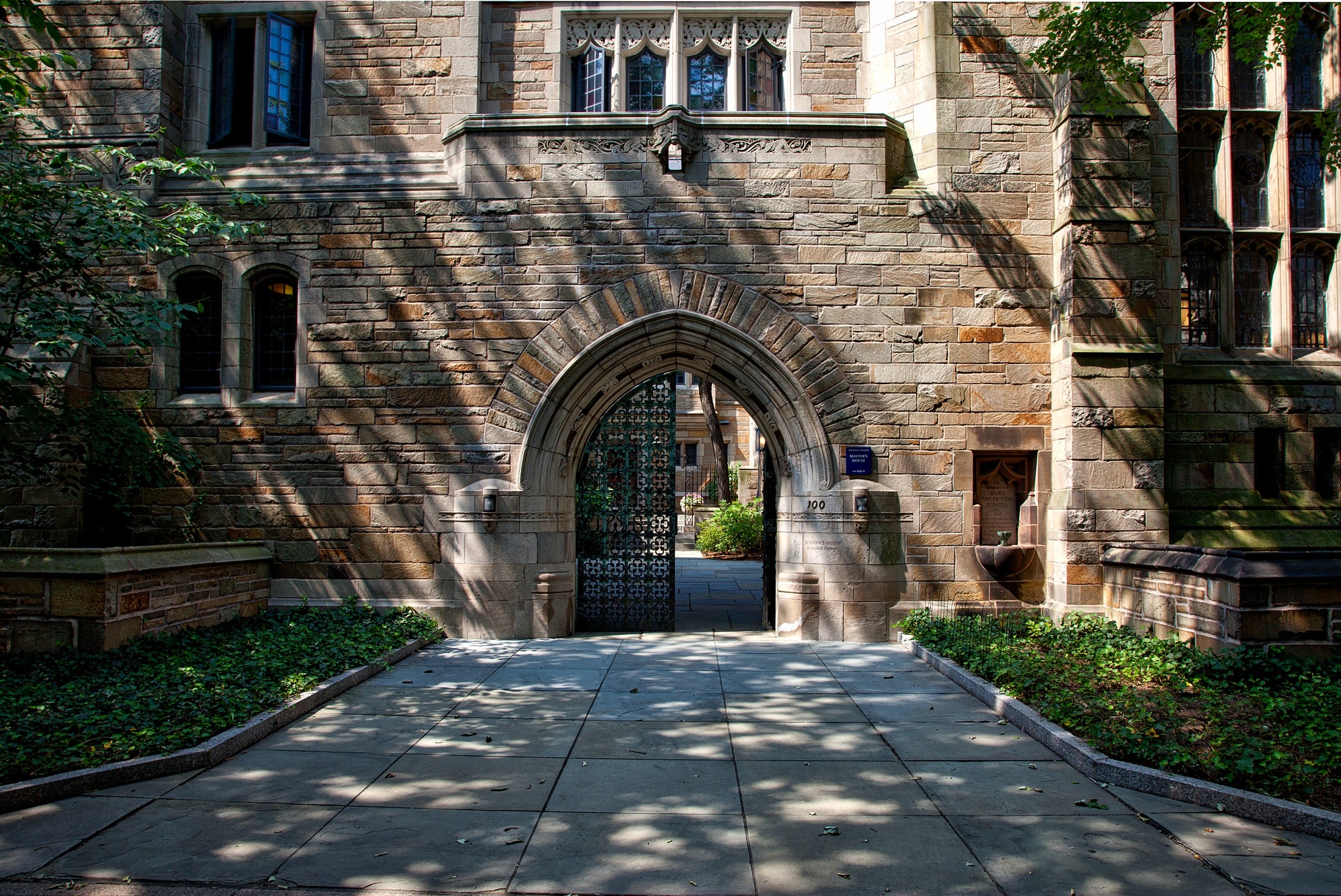
Magic or No, All Schools Have Limited Range
Patriarchal systems in magical schools (and in the real world) tend to cause problems. Porshèa explores the way these systems manifest in different fictional schools and discusses what should be done to change it.

Imagining the Decolonization of Science Fiction
Nicole defines her view of Afrofuturism and imagines what science fiction could do if it wanted to be bold.
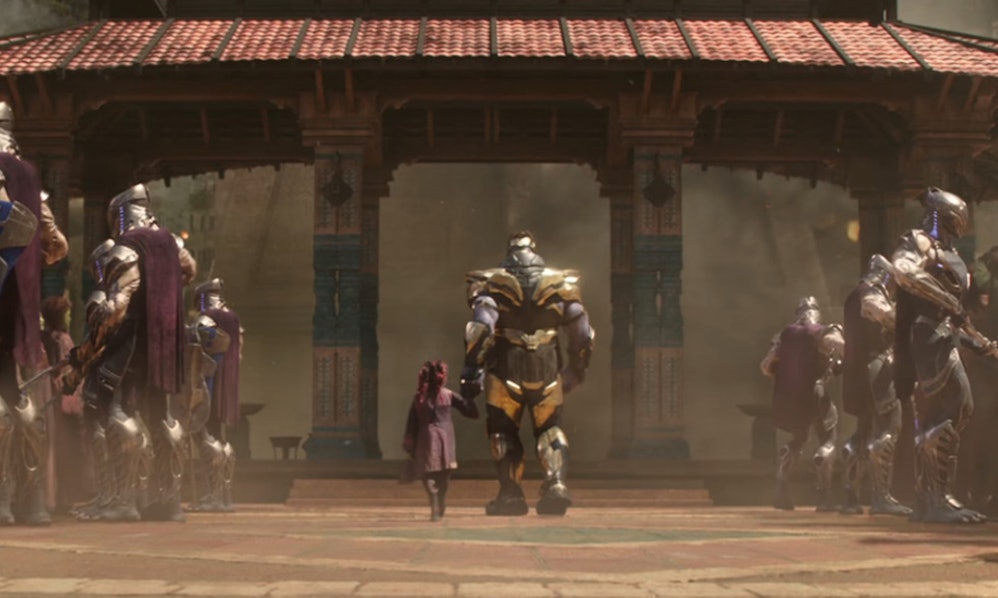
‘Avengers: Infinity War’ Illustrates Several Renditions of the Trolley Problem
Sacrifice isn’t new to epic superhero movies. The modus operandi of most heroes is to lay down their life for their friends.

The Invitation ‘Black is King’ Gives Us
DJ Wilson reflects on Beyoncé’s film ‘Black is King,’ and the invitation the project gives members of the African diaspora.

Finally Finding a Place in the Fandom
Stacie writes about how she finally found her place in the Potter fandom.
The Importance of Creating Worlds for Young Black Readers
Abisola writes about Children of Blood and Bone and Daughters of Nri, and how they are important for young Black readers.
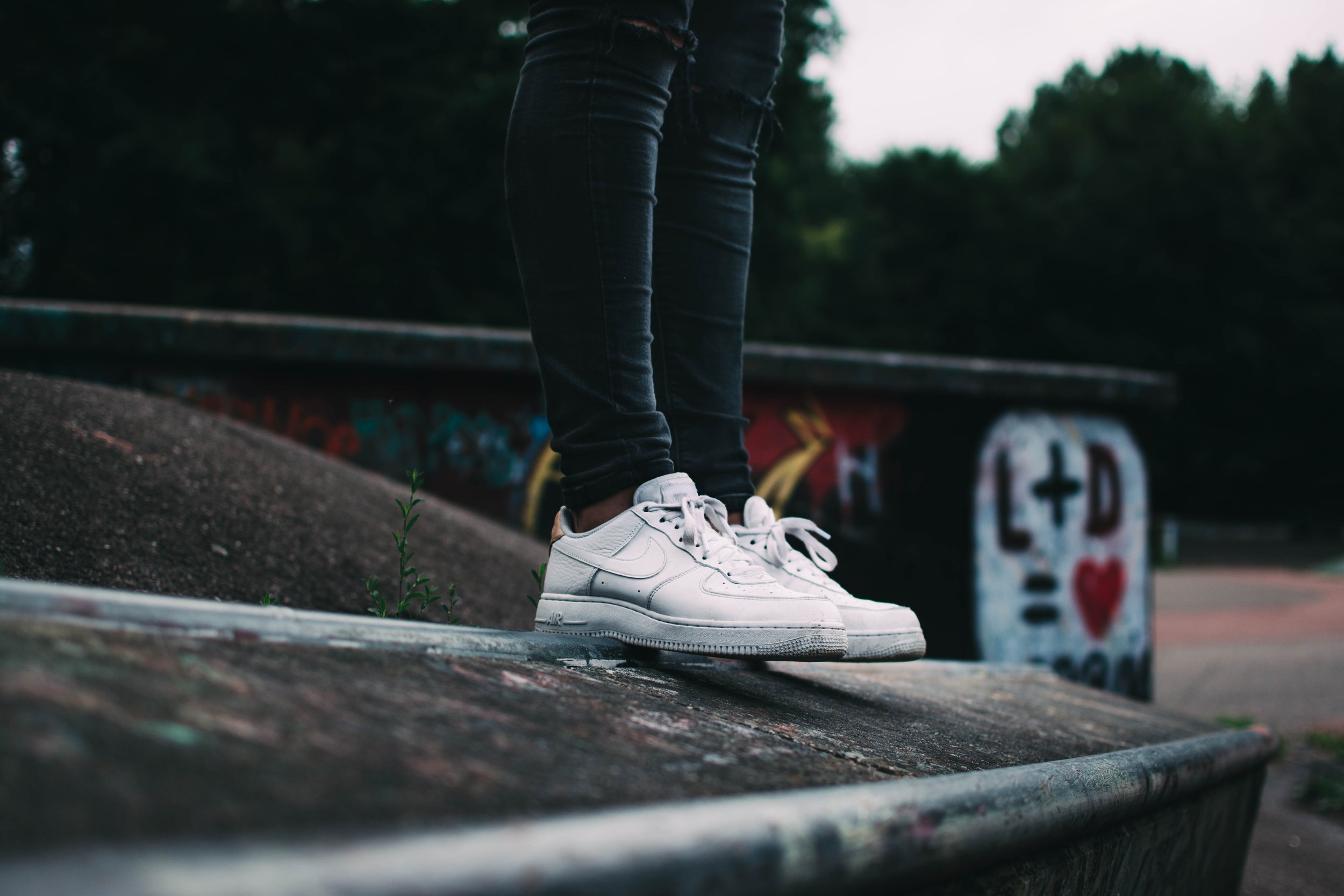
Three Fears About Public Spaces I Had as a Black Nerd
As a black female nerd, have you ever been afraid of entering a new space? Renée shares some of her past fears and how she overcame them in our first Constant Companion essay.

What ‘Harry Potter’ Doesn’t Teach Us About Allyship & Activism
How does Harry Potter’s Order of the Phoenix show the failures of the series to show a truly progressive and anti-supremacist narrative? What can we learn from these inadequacies of the story to be better allies in the real world?
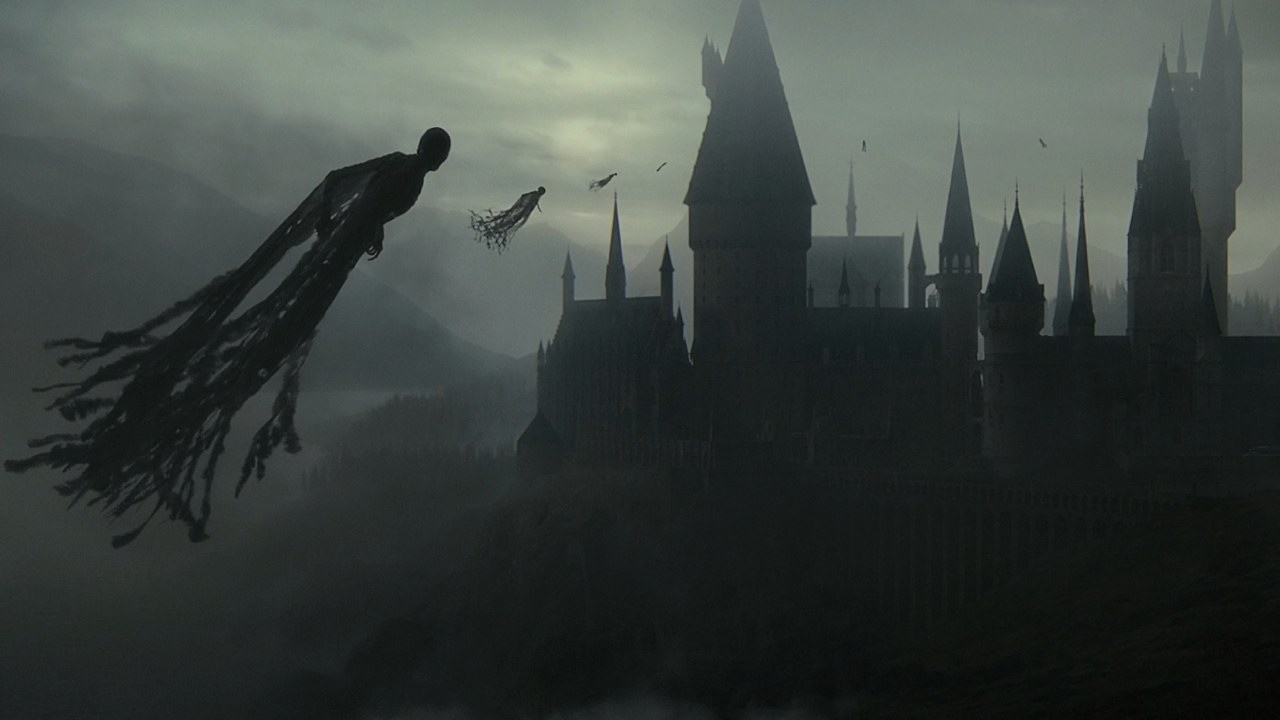
The Importance of Magical Mental Health Education in Harry Potter
There are inevitable risks to living in a magical school, but does Hogwarts truly have the tools to physically and mentally support its students?